How to Make Gelato Last Longer in a Display Case Without Icing
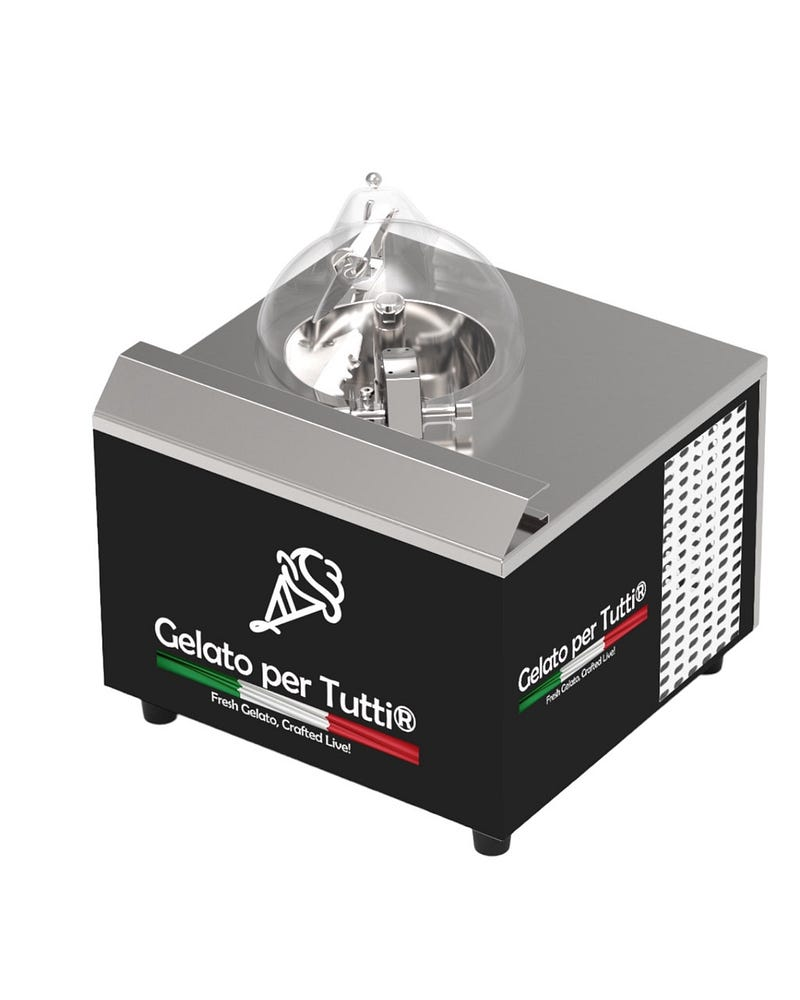
Icy, grainy gelato is one of the fastest ways to lose a repeat customer. The good news is that most icing is preventable with the right equipment, habits, and setup. Whether you run a café counter, a dessert shop, or a cart, this guide shows you how to keep the product in your gelato display case smooth, creamy, and sellable for longer. It also helps to start with a reliable commercial gelato machine, since fresh, well-made gelato holds its texture far better than product that starts out coarse.

Why Gelato Gets Icy in the First Place
Gelato is smooth because it contains tiny, uniform ice crystals. When those crystals grow, the texture turns coarse, crunchy, or sandy.
The main cause is temperature fluctuation. Every time gelato warms slightly and refreezes, small crystals melt and re-form into bigger ones. Food scientists call this recrystallization, and the temperature swings behind it are often called heat shock.
A second cause is surface exposure. Air touching the top of the gelato dries it out and leaves frost or a crusty layer.
So the goal is simple: keep temperature steady and keep air off the surface.
1. Hold a Steady Display Temperature
Consistency matters more than chasing one perfect number. Gelato is typically held warmer than hard ice cream, often in the range of roughly 10°F to 15°F (about -12°C to -9°C), but follow the guidance for your specific display case and base.
Practical steps:
- Put a thermometer inside the case, not just on the control panel
- Check it at open, midday, and close
- Log readings so you can spot drift before customers notice
- Avoid adjusting the thermostat repeatedly. Small, frequent changes create the very swings you want to avoid
2. Protect the Surface From Air
Exposed gelato dries and frosts quickly. Fix this at the pan level:
- Smooth the top after each scoop session. Peaks and ridges expose more surface area
- Use lids or covers during slow periods
- Press food-safe film or parchment directly onto the surface for gelato that will sit in storage
- Use smaller pans as inventory drops, so a half-empty pan does not leave a large pocket of air
3. Keep Airflow Clear
A display case cools by moving cold air around the pans. Overfilling the case or stacking tubs too high blocks that airflow and creates warm spots.
Leave gaps as the manufacturer recommends. Do not push pans against vents or the glass, and never place warm items inside to “cool down.”
4. Stop Leaving the Case Open
Every time a door or lid stays open, warm air rushes in. During restocking:
- Gather everything you need before you open the case
- Work quickly, then close it
- Never leave tubs on the counter while you “get to them later”
- Train staff that quick, planned access protects both quality and cost
5. Store Backup Stock Deeper, Display Less
A common mistake is filling the case to look abundant. A full-looking case is great, but a case holding more gelato than you will sell in a day or two means that product sits and cycles through temperature changes.
A better approach:
- Display what you expect to sell in a short window
- Keep reserve tubs in a colder storage freezer, typically around 0°F (-18°C) or colder
- Rotate stock first in, first out
- Never refreeze gelato that has melted
6. Harden Gelato Fast After Making It
The way gelato is frozen at the start affects how well it holds up later. Slow freezing allows larger crystals to form from day one.
This is why a blast freezer matters. Moving freshly made gelato into rapid freezing before it goes to the display or storage gives you smaller crystals and a smoother product that resists icing longer.
7. Choose the Right Spot for Your Case
Where the case sits can quietly undermine it. Avoid placing it:
- In direct sunlight
- Next to ovens, grills, or panini presses
- Under or beside an air-conditioning vent that blows hard across the glass
- Near a busy entry door with constant drafts
Leave breathing room around the unit so the condenser can release heat.
8. Maintain the Equipment
A struggling case cannot hold temperature, no matter how careful your staff are. Build a simple maintenance routine:
- Clean condenser coils regularly
- Inspect door gaskets and glass seals for gaps
- Check for frost buildup on evaporator areas, which signals airflow or defrost problems
- Confirm defrost cycles are not causing noticeable temperature spikes
- Calibrate or replace thermometers that seem off
9. Start With a Well-Balanced Base
Even perfect storage cannot fully fix a poorly formulated mix. Stabilizers and proper balance help gelato resist ice crystal growth. The University of Guelph’s ice cream technology resource describes proper formulation with stabilizers as an almost essential defense against heat shock, along with rapid hardening and steady storage.
Using a consistent, professionally formulated base takes guesswork out of the equation, especially for new operators who are still learning gelato science. Batch-to-batch consistency makes every other step on this list easier to control.
Reading the Warning Signs
A crunchy or sandy texture usually points to temperature swings, so check your logs and door habits. Frost on the surface means too much air contact, so smooth, cover, and use film. Gelato that feels hard and dense may mean the case is running colder than your base prefers. Soft, melting edges suggest the case is too warm or airflow is blocked. If icing shows up only in certain pans, you likely have a warm spot, so rearrange the pans and check the vents, gaskets, and coils.
Daily Checklist
- Check and log display temperature at open, midday, and close
- Smooth and cover pans after service
- Wipe condensation and keep seals clean
- Restock in quick, planned batches
- Rotate stock and keep reserves in the colder freezer
- Look for frost, drift, or unusual compressor noise
Frequently Asked Questions
How long can gelato stay in a display case?
It depends on your base, your case, and how steady your temperature is. Many operators aim to sell display gelato within a short window and keep reserves in storage. Follow your base manufacturer’s guidance.
Why does my gelato get icy overnight?
Overnight icing usually points to temperature fluctuation, such as defrost cycles, a case that is not holding temperature, or surface exposure.
Should I cover gelato at night?
Yes. Smoothing the surface and covering pans reduces air contact and frost.
Can I fix icy gelato once it has formed?
Not fully. Once ice crystals have grown, the texture does not return to its original smoothness. Prevention is the better approach.
Does a blast freezer really make a difference?
Rapid hardening produces smaller crystals from the start, which helps gelato stay smooth longer.
Final Thoughts
Keeping gelato smooth in a display case comes down to a few disciplined habits: steady temperature, minimal air exposure, clear airflow, quick hardening, and smart inventory. Get these right and you will see less waste, better texture, and happier customers.

Comments
Post a Comment