What Makes Gelato Different From Ice Cream (And Why It Matters for Your Menu)

Ask most people what separates gelato from ice cream and you'll get some version of "it's Italian" or "it's denser." Both are true, but neither explains why gelato actually tastes and feels different in the mouth, or why so many cafés and restaurants are adding it to their menus instead of sticking with standard ice cream. The differences come down to a handful of specific production choices, and understanding them matters whether you're a curious customer or a business owner considering a gelato program.
Butterfat: The Biggest Difference
American ice cream typically runs 14 to 25 percent butterfat by regulation and tradition. Gelato usually sits between 4 and 9 percent. That's a massive gap, and it's the single biggest reason the two desserts taste so different.
Lower butterfat means gelato doesn't coat the tongue in fat the way ice cream does, which actually makes the flavor come through more directly. This is why a good pistachio gelato tastes more intensely like pistachio than a pistachio ice cream does. The fat isn't there to mute it.
Air Content (Overrun) Changes the Texture Entirely
Ice cream is churned fast and hard, which whips a lot of air into the mixture, sometimes as much as 50 percent of the final volume. That air is what makes premium ice cream feel light and scoopable straight out of a hard freezer.
Gelato is churned much slower, incorporating far less air, typically in the 20 to 30 percent range. Less air means more product per scoop by weight, and it's part of why gelato feels so much denser and creamier despite having less fat than ice cream. You're getting more actual product in every bite, not more air.
Serving Temperature Is Not a Minor Detail
Ice cream is stored and served extremely cold, often around 0 to 10 degrees Fahrenheit, which is cold enough to numb the tongue slightly and dull flavor perception. Gelato is stored and served warmer, generally in the high teens to low 20s Fahrenheit. That temperature difference matters more than people expect: a warmer serving temperature means your taste buds are more responsive, which is part of why gelato flavors read as more vivid.
This is also why gelato cases look different behind the counter. The shallow, covered display tubs you see in a proper gelateria aren't just for presentation, they help maintain that slightly warmer, denser texture that a deep-freeze ice cream case would ruin.
Batch Size and Freshness
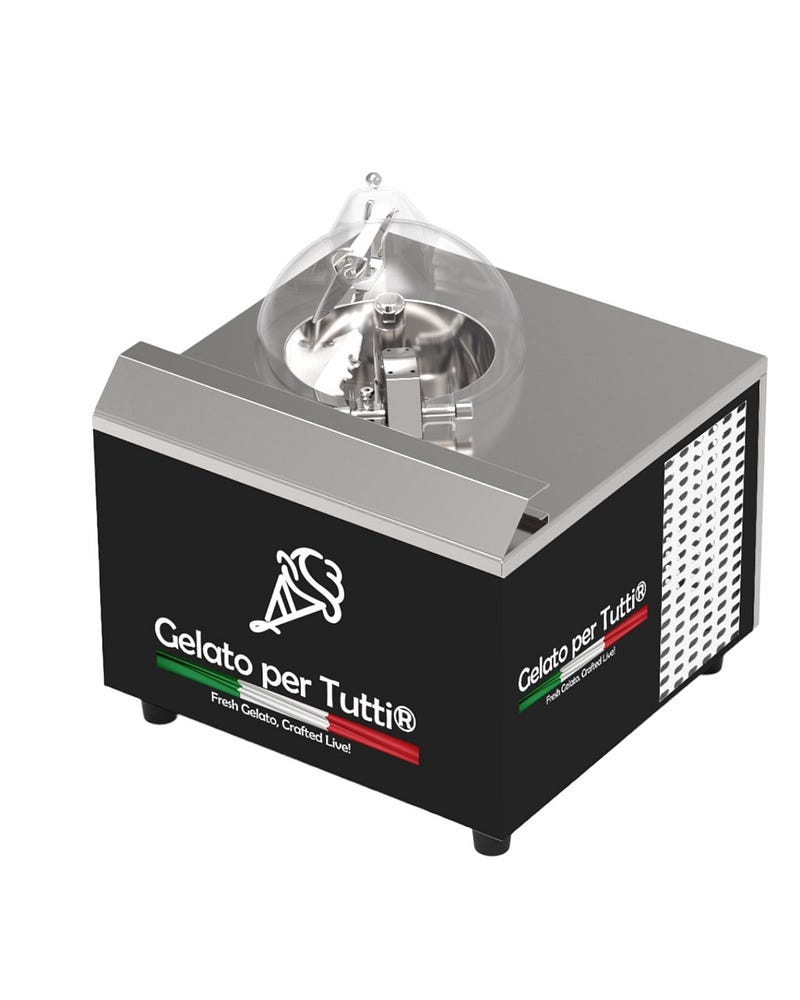
Traditional gelato is made in small batches, often daily or every few days, rather than produced in bulk and frozen for weeks or months like most commercial ice cream. That short production cycle is part of the tradition, but it's also historically been the biggest barrier to entry for a café or restaurant that wanted to serve gelato without hiring a trained gelato maker or investing in batch freezing equipment.
That barrier has shifted. Pour-and-serve gelato bases, like the ones Gelato per Tutti produces, let a business serve traditional-tasting gelato without the production overhead of small-batch churning every day. For a café or restaurant evaluating whether gelato fits their operation, that's often the deciding factor between adding the category and skipping it entirely.
Why This Matters If You're Considering Adding Gelato
Customers increasingly know the difference between real gelato and rebranded ice cream, especially in cities with a strong Italian food culture. Serving something labeled gelato that's actually high-fat, high-air ice cream tends to get noticed, and not in a good way. Getting the fundamentals right, lower butterfat, less overrun, warmer serving temperature, matters for reputation as much as it does for taste.
For businesses weighing the investment, the good news is that the equipment and supply chain around gelato has matured significantly. You don't need a dedicated gelato chef or an Italian batch freezer to serve an authentic product anymore. What you do need is a supplier and process that actually respects those core differences instead of cutting corners on them.
The Bottom Line
Gelato isn't ice cream with an accent. It's a different production process built around less fat, less air, and a warmer serving temperature, and every one of those choices changes how the final product tastes and feels. Whether you're a customer deciding what to order or a business deciding what to put behind the counter, understanding those differences is the difference between the real thing and a pale imitation.

Comments
Post a Comment