Should Your Cafe Add Gelato? Here's How to Decide (and Do It Without Blowing Your Kitchen Budget)

Gelato is one of the highest-margin menu additions a cafe or restaurant can make but only if you avoid the mistakes that turn it into a slow-moving freezer full of regret. Here's the real decision-making process.
Start with the math, not the flavors
Before anything else, figure out if gelato actually fits your traffic pattern. It works best for spots with:
- Evening or after-dinner foot traffic
- Existing dessert or coffee-pairing demand
- Seasonal patio or outdoor seating (gelato sells hard in warm months)
If your business is mostly quick lunch turnover with no evening crowd, gelato may underperform relative to a simpler dessert case. Be honest about this before you buy equipment.
The equipment question every owner gets wrong
The biggest misconception: adding gelato requires the same setup as opening a dedicated gelateria. It doesn't if you make the right call upfront.
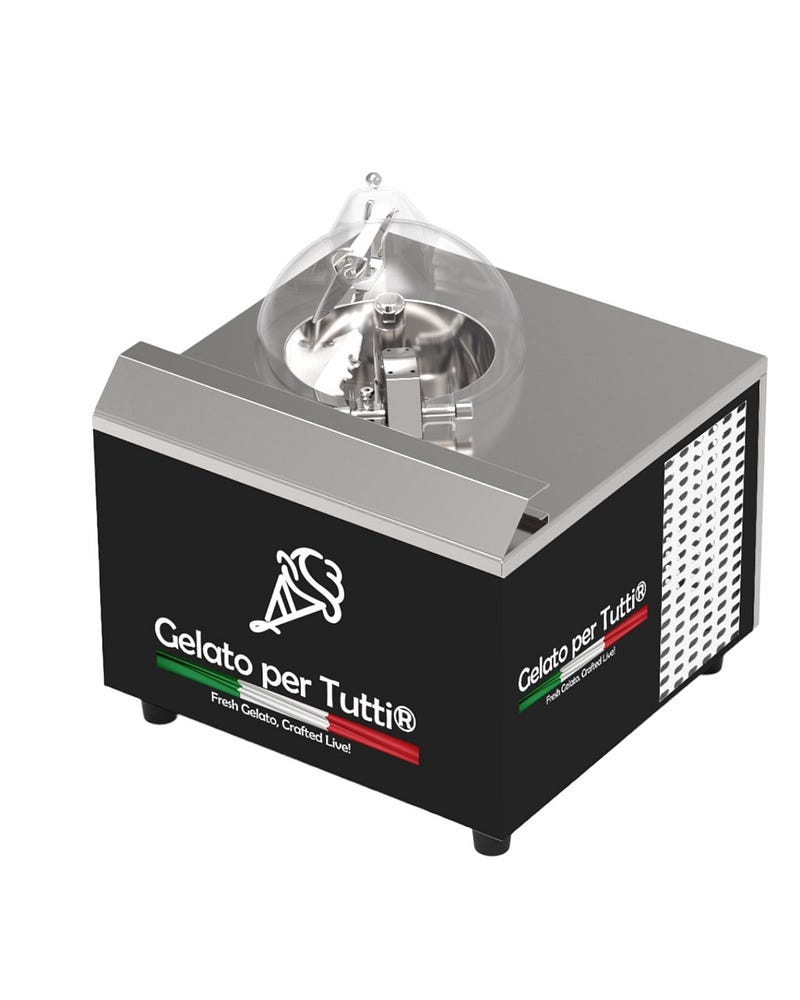
You don't need a full pasteurization line to serve real gelato. A pour-and-serve base, spun in a compact gelato machine, gets you a proper artisanal product without the six-figure buildout. Suppliers like Gelato per Tutti build their base specifically for this use case cafés and restaurants adding gelato as a menu extension, not a standalone business so you're skipping the raw-dairy, stabilizer, and pasteurizer stage entirely.
If you do go that route, don't undersize the machine. A commercial gelato machine sized for a 5-table café won't hold up once word gets out and you're doing volume on a Friday night. Size for your realistic peak, not your opening week.
Keep the flavor menu tight
Three to five flavors is plenty for a cafe add-on. Rotate seasonally instead of trying to stock a permanent 15-flavor case every flavor sitting unsold is base cost and freezer space you don't need to spend.
Price it like a menu item, not an afterthought
Gelato added to an existing menu often gets underpriced because owners default to "ice cream shop" pricing instead of "restaurant dessert" pricing. A scoop or cup should sit in line with your other dessert prices, not compete with the grocery store down the street.
Train one person to own it
You don't need a dedicated gelato chef, but you do need one staff member who owns machine calibration, base rotation, and consistency checks. Gelato quality drifts fast without a single point of accountability and inconsistent texture is the #1 reason cafe gelato programs quietly fail within six months.
Bottom line: adding gelato to an existing menu is a low-risk, high-margin move — as long as you size the equipment to your real traffic, keep the flavor count disciplined, and treat it as a real menu category, not a side experiment.

Comments
Post a Comment