How a Countertop Machine Made Me Fall in Love With Italian Dessert (And Why I'll Never Go Back to Store-Bought)

A few months ago, my kitchen counter looked like every other kitchen counter a coffee maker, a toaster, the usual suspects. Then I brought home a small machine that changed everything. Within an hour of unboxing it, I was standing over a bowl of something so smooth, so dense, so unmistakably Italian that I genuinely laughed out loud. No flight to Rome required.
This is the story of how that Gelato machine took over my weekends, and why understanding the science and flavor tradition behind it changed how I think about dessert entirely.
How Gelato Is Actually Different From Ice Cream
Before I bought the machine, I assumed gelato was just "fancy ice cream." I was wrong, and the science behind it is genuinely interesting once you dig into it.
According to Penn State's Food Science Department, the biggest differences between gelato and traditional ice cream come down to composition and process. Ice cream in the U.S. is legally required to contain a minimum amount of milk fat and total milk solids, while gelato typically uses proportionally more milk and less cream, giving it a lighter fat profile. Regional Italian traditions matter too Sicilian-style gelato skips eggs entirely and leans on milk and fruit, while the northern Dolomite-region style is richer, made with both cream and egg yolks.
The other major factor is air. Ice cream is churned quickly, which whips a lot of air into the mixture a process called "overrun" that can nearly double the final volume. Gelato, by contrast, is churned slowly and incorporates very little air, which is exactly why it comes out dense, silky, and intensely flavored rather than light and fluffy.
Food Network breaks the fat difference down clearly: standard ice cream must contain at least 10% butterfat under USDA guidelines, with premium brands often reaching 14–25%, while authentic Italian gelato usually sits around 4–9% fat . Less fat coating your palate means the actual flavor hazelnut, pistachio, lemon comes through far more intensely. Gelato is also served at a slightly warmer temperature than ice cream, which keeps it soft enough to serve with a flat spade instead of a hard scooper.
Once I understood this, the appeal of making it myself clicked immediately. This isn't just "creamier ice cream." It's a completely different dessert philosophy one built around restraint, patience, and letting real ingredients speak for themselves.
Why the Right Machine Actually Matters
Here's where most people get stuck, and where I got stuck too. Not every "ice cream maker" on the market is actually built to produce gelato's signature texture. Two things matter most:
A slow, low-overrun churning mechanism. Since gelato depends on minimal air incorporation, a machine built to churn fast and fluffy great for regular ice cream actively works against the dense texture you're chasing. Look specifically for machines designed for gelato, not general frozen dessert makers that just happen to also "do gelato."
A proper compressor, not just a frozen bowl. Entry-level machines rely on a bowl you freeze overnight, and while they work, they struggle to hold the consistent temperature gelato needs throughout the churn. A self-refrigerating compressor model gives you far more control — and lets you make batch after batch back-to-back without refreezing anything in between.
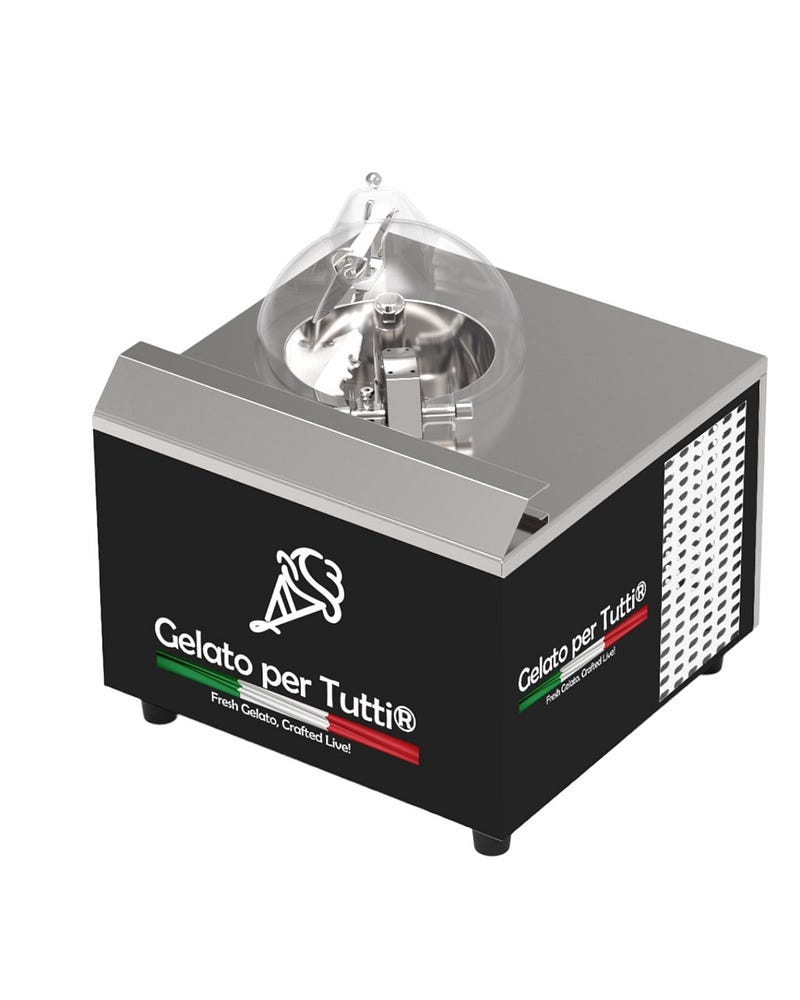
If you want to see what a serious setup actually looks like, it's worth browsing a manufacturer that specializes specifically in Italian gelato equipment rather than general kitchen appliances. Gelato Per Tutti is one such company they build countertop and free-standing machines designed around the traditional slow-churn method, and they're upfront about the mixer-plus-batch-freezer design that real gelaterias rely on. Even if your home unit comes from somewhere else, seeing how a proper Italian machine is engineered gives you a much better benchmark for what "good" actually looks like before you buy.
Why Some Flavors Work Better Than Others When You're Starting Out
Once you have the machine, the flavor rabbit hole opens up fast and gelato is far more forgiving of experimentation than ice cream tends to be, since its lighter base takes on fruit, nuts, and even herbal notes more gracefully.
A few that consistently turn out well for beginners:
- Classic pistachio — forgiving, rich, and a good first stress-test for your machine's texture.
- Fior di latte (sweet cream) — deceptively simple, and it reveals immediately whether your milk-to-cream ratio is right.
- Lemon (sorbetto-style) — dairy-free, refreshing, and a great palate cleanser between richer batches.
- Hazelnut (gianduia) — the flavor most people associate with "real" Italian gelato, especially worth it if you toast your own nuts.
- Stracciatella — a vanilla base laced with thin ribbons of dark chocolate, and a good test of whether your churn is slow enough to keep the ribbons distinct instead of blending them in.
Why the Small Details Make the Biggest Difference
A few practical habits changed my results more than anything else:
- Age your base overnight. Letting the milk-sugar mixture rest in the fridge for a few hours ideally overnight before churning noticeably improves texture.
- Don't rush the churn. The slow process isn't a limitation; it's the entire point of gelato.
- Serve it slightly warmer than instinct tells you to. Gelato is meant to be enjoyed a bit softer than ice cream, just above typical freezer temperature.
- Store it in shallow, airtight containers. This limits ice crystal formation, which shows up more easily in gelato's lower-fat base.
Final Scoop
I didn't expect a kitchen appliance to change how I think about dessert, but that's exactly what happened. Understanding the real science behind gelato the fat content, the churn speed, the regional Italian traditions behind every scoop made every batch after the first one noticeably better.
If you're on the fence about trying it yourself, know this: the payoff isn't just "homemade ice cream." It's a genuinely different, more intense dessert experience that most people only ever get at a proper gelateria. Start with one flavor, get the texture right, and let the rest follow naturally from there.

Comments
Post a Comment